International Green Warrior Olympiad Class 3 Sample Paper
Class 3 is a great time to deepen your child's understanding of the environment. The International Green Warrior Olympiad Sample Paper for Class 3 is thoughtfully designed to help students connect with nature and understand the basics of sustainability.
What's Inside the Class 3 Green Warrior Sample Paper?
MCQs on environmental science, climate change, and green habits
Application-based questions to encourage eco-friendly thinking
Answer key included for effective self-assessment and learning
Download the Class 3 International Green Warrior Olympiad Sample Paper (PDF) to prepare your child for a meaningful journey towards environmental awareness.
Access to clean water: Sources of clean water, water purification methods, role of water treatment plants
Sanitation and hygiene: Importance of proper sanitation, personal hygiene practices, keeping our surroundings clean, handwashing demonstration and practice, diseases that can spread due to poor sanitation and hygiene
Water conservation: Understanding the water cycle, ways to conserve water, practical tips for conserving water
Water and environment: Impact of pollution on water bodies, importance of clean rivers and oceans
Affordable and Clean Energy
Introduction to energy: Understanding what energy is, different forms of energy (e.g., solar, wind, fossil fuels), importance of energy in our daily livesEnergy conservation: The concept of energy conservation, practical tips for saving energy at home and school, energy-efficient appliances and lighting
Access to clean energy: How lack of access to clean energy affects communities, solar power in remote areas
Renewable and non-renewable energy: Understanding of renewable energy sources (e.g., a solar-powered toy car, a wind turbine), biomass as a renewable energy source, how biomass is used for cooking and heating, environmental benefits and challenges
Clean energy and the environment: The impact of clean energy on the environment, reducing greenhouse gas emissions
Fossil fuels and pollution: What are fossil fuels (coal, oil, natural gas)?, the environmental impact of fossil fuel use, air pollution and its consequences, ways to reduce fossil fuel use
Sustainable Cities and Communities
Sustainable water management: Rainwater harvesting, water reuse and recycling, role of communities in protecting water sources
Sustainable transportation: Introduction to electric and hybrid vehicles, bicycles as a sustainable mode of transportation, reducing carbon emissions through transportation choices, eco-friendly transportation
Sustainable energy sources: Introduction to clean and renewable energy sources, solar energy and how it works, wind energy and its benefits
Responsible Consumption and Production
Responsible consumption: Why responsible consumption is important, connection between consumption and the environment
Reduce, reuse, recycle: The three R's of responsible consumption, how to reduce waste, ways to reuse items, introduction to recycling and its benefits
Food choices and waste: The impact of food choices on the environment, reducing food waste at home and school, composting and its benefits
Responsible energy use include: Turning off your computer screen when you're not using it, putting a lid on your pot or pan etc.
Waste reduction and upcycling projects: Using recycled or upcycled materials
Climate Action
Introduction to climate change: Understanding what climate change is, causes of climate change (e.g., greenhouse gases), impacts of climate change on the planet
The greenhouse effect: Explaining the greenhouse effect, how it affects the earth's temperature
Reducing our carbon footprint: Strategies to reduce personal carbon footprints, discussion on energy conservation, transportation choices, and waste reduction
Climate change impacts: Effects of climate change on ecosystems, wildlife, and communities
Life Below Water
Oceans and their importance: Importance of oceans and water bodies, different marine habitats (e.g., coral reefs, kelp forests, open ocean), marine species and their adaptations to underwater life
Marine food webs: Exploring marine food chains and webs
Threats to underwater life: Overfishing, habitat destruction, pollution, climate change, coastal development, human disturbance etc.
Ocean pollution: Sources of marine pollution (e.g., plastic waste, oil spills), effects of pollution on marine life and ecosystems, how individuals can reduce ocean pollution
Life On Land
Types of terrestrial ecosystems: Introduction to major terrestrial ecosystems (e.g., forests, savannas, wetlands, desert etc.), characteristics of each ecosystem
Forests and their importance: Understanding the significance of forests (e.g., carbon storage, oxygen production), reforestation and forest conservation efforts
Threats to life on land: Urbanization, pollution, land degradation, wildfires, poaching and illegal wildlife trade etc.
Biodiversity on land: Exploring the diversity of plant and animal life on land, discussing the interconnectedness of species in ecosystems
Food Security and Agriculture
Food Security: Definition and importance of food security, factors affecting food security (availability, accessibility, affordability).
Sustainable Agriculture: Introduction to sustainable farming practices, importance of conserving natural resources
Food Safety: Importance of food safety and hygiene, safe handling and preparation of food
Factors affecting agriculture and food security: Climate, soil, land, water, poverty, population etc.
While studying for her science test, Kathy takes frequent breaks to watch short videos on her phone. Which of the following actions would help Kathy use energy more responsibly?
Q.2
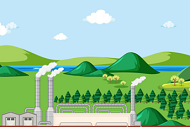
In Mark's village, a large factory emits smoke into the air every day. What might happen to the trees near the factory because of the smoke?
Q.3
There is a field beside a huge factory on your way to the school. You notice that the cows always eat grass far from the factory and not close by. This could be because: 1. The grass close to the factory is unhealthy. 2. The air around the factory is polluted.
Q.4
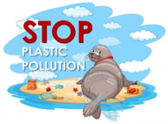
You're at the supermarket with your parents. How can you make a conscious choice to reduce plastic pollution in your household?
Q.5
Tommy learned that trees are like superheroes for the earth. They help prevent something that makes the planet too warm. What do trees help stop from getting too much?
Q.6
Which of the following helps us get the water which is underground?
Q.7
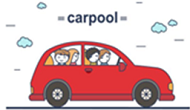
Lucas is going to a park for a picnic. His family chose a carpool. What's a benefit of carpooling?
Q.8
Which of these animals could be affected by climate change causing their homes to melt?
Q.9
Edith loves playing outside during her summer holidays. But she noticed that it's getting extremely hot lately. What happens when Earth gets too hot?
Q.10
Sarah's family loves eating fish. They want to make sure they are buying fish that are caught sustainably. Which of the following labels on a fish package would indicate the most eco-friendly fishing practices?
Your Score: 0/10
Answers to Sample Questions from CREST Olympiads:
Q.1
d
Q.2
a
Q.3
c
Q.4
d
Q.5
a
Q.6
b
Q.7
b
Q.8
a
Q.9
b
Q.10
b
Answers to Sample Questions from CREST Olympiads:
Q.1 : d | Q.2 : a | Q.3 : c | Q.4 : d | Q.5 : a | Q.6 : b | Q.7 : b | Q.8 : a | Q.9 : b | Q.10 : b